New Rules Could Boost Your R&E Tax Savings in 2025
The One Big Beautiful Bill Act (OBBBA) reinstated the immediate deduction for U.S.-based R&E expenses effective for 2025.
New Rules Could Boost Your R&E Tax Savings in 2025 Read More »
The One Big Beautiful Bill Act (OBBBA) reinstated the immediate deduction for U.S.-based R&E expenses effective for 2025.
New Rules Could Boost Your R&E Tax Savings in 2025 Read More »
The One Big Beautiful Bill Act (OBBBA) introduces a new — but temporary — tax break for manufacturers. The qualified production property (QPP) allowance gives manufacturers a strong incentive to make capital investments in new production facilities. Here’s what you need to know. Bonus depreciation for QPP Generally, first-year bonus depreciation is limited to tangible property with a recovery period of 20 years or less. But the OBBBA adds Section 168(n) to
One of the most critical decisions entrepreneurs make when starting or restructuring a business is choosing the right entity type. This choice directly impacts how the business is taxed, the level of administrative complexity and regulatory compliance obligations. While legal liability considerations also matter, we will focus on tax implications. For liability advice, consult a legal professional. Whether launching a new venture or reassessing your current structure, understanding how each entity is taxed can help you make strategic and compliant decisions. Here’s a brief overview of five
A Tax Guide to Choosing the Right Business Entity Read More »
If you own an unincorporated small business, you may be frustrated with high self-employment (SE) tax bills. One way to lower your SE tax liability is to convert your business to an S corporation. SE tax basics Sole proprietorship income, as well as partnership income that flows through to partners (except certain limited partners), is subject to SE tax. These rules also apply to single-member LLCs that are treated as sole proprietorships for federal tax purposes and multi-member LLCs that are treated as partnerships for federal tax purposes. In 2025, the maximum
Lower Your Self-Employment Tax Bill by Switching to an S Corporation Read More »
The One Big Beautiful Bill Act (OBBBA) shifts the landscape for federal income tax deductions for state and local taxes (SALT), albeit temporarily. If you have high SALT expenses, the changes could significantly reduce your federal income tax liability. But it requires careful planning to maximize the benefits — and avoid potential traps that could increase your effective tax rate. A little background Less than a decade ago, eligible SALT expenses were generally 100% deductible on federal income tax returns if an individual itemized deductions.
How Will the Changes to the SALT Deduction Affect Your Tax Planning? Read More »
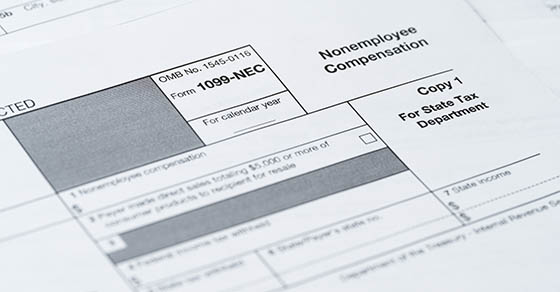
The One, Big Beautiful Bill Act (OBBBA) contains a major overhaul to an outdated IRS requirement. Beginning with payments made in 2026, the new law raises the threshold for information reporting on certain business payments from $600 to $2,000. Beginning in 2027, the threshold amount will be adjusted for inflation. The current requirement: $600 threshold For decades, the IRS has required that businesses file Form 1099-NEC (previously 1099-MISC) for payments made to independent contractors that exceed $600 in a calendar year. This threshold amount has remained unchanged since the 1950s! The same $600 threshold

The New Law Includes a Game-Changer for Business Payment Reporting Read More »