Construction

Evaluating Business Decisions Using Breakeven Analysis

Evaluating Business Decisions Using Breakeven Analysis

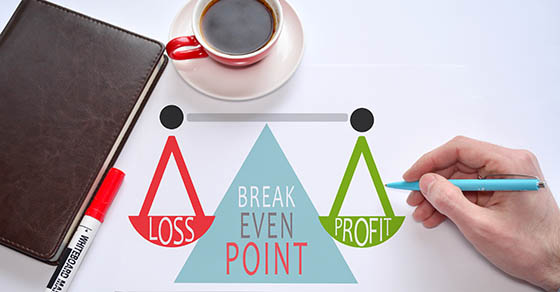
Use breakeven analysis to quantify pricing, equipment, and expansion decisions—classify costs, compute contribution margin and breakeven point, and track your safety margin to guide profitable action.

Evaluating Business Decisions Using Breakeven Analysis Read More »

5 Ways Your Business Can Build a Stronger Annual Budget

Strengthen next year’s budget with five proven steps—optimize data, involve the whole organization, communicate attainable targets, monitor cash flow, and engage an objective advisor to improve forecasting and results.

5 Ways Your Business Can Build a Stronger Annual Budget Read More »

6 Pertinent Provisions Of The OBBBA For Construction Companies

It’s been about a month since the One, Big, Beautiful Bill Act (OBBBA) was signed into law. Now that the dust has settled, construction business owners and their leadership teams can begin to really pinpoint the provisions most pertinent to their operations. Here are six to study up on. 1. Accounting exemption For tax years beginning on or after July 4, 2025, contracts entered into for residential construction projects, per the amended definition under the OBBBA, generally qualify for an

6 Pertinent Provisions Of The OBBBA For Construction Companies Read More »

How Businesses Can Fund A Buy-Sell Agreement

Businesses with more than one owner benefit from having multiple viewpoints and varying skill sets. However, they also face serious risks of uncertainty and conflict if one of the owners suddenly departs or undergoes a major life change. A carefully crafted buy-sell agreement can guard against these risks — if it’s securely funded. Transfer guidelines A “buy-sell” (as it’s often called) is a legally enforceable contract among a company’s owners that sets guidelines for

How Businesses Can Fund A Buy-Sell Agreement Read More »

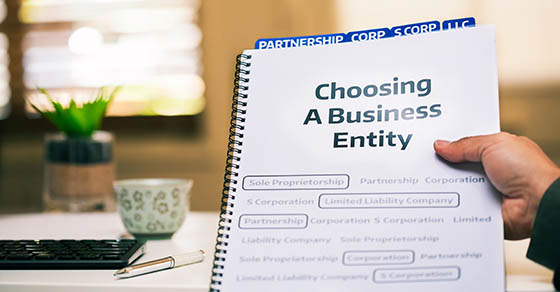
A Tax Guide to Choosing the Right Business Entity

One of the most critical decisions entrepreneurs make when starting or restructuring a business is choosing the right entity type. This choice directly impacts how the business is taxed, the level of administrative complexity and regulatory compliance obligations. While legal liability considerations also matter, we will focus on tax implications. For liability advice, consult a legal professional. Whether launching a new venture or reassessing your current structure, understanding how each entity is taxed can help you make strategic and compliant decisions. Here’s a brief overview of five

A Tax Guide to Choosing the Right Business Entity Read More »

Receivables Rx: Key Metrics To Assess The Health Of Your Cash Flow

For many businesses, accounts receivable (AR) is one of the largest assets on the balance sheet. It represents the cash you’ve earned but haven’t yet collected. Efficient AR management is critical for maintaining healthy cash flow, reducing bad debt and fueling growth. But a key question often goes unasked: How do your company’s receivables compare to others in your industry? This is where benchmarking comes in. Why benchmarking matters Benchmarking is the process of comparing your company’s financial and operational metrics against those of peers in your industry. For receivables,

Receivables Rx: Key Metrics To Assess The Health Of Your Cash Flow Read More »

Lower Your Self-Employment Tax Bill by Switching to an S Corporation

If you own an unincorporated small business, you may be frustrated with high self-employment (SE) tax bills. One way to lower your SE tax liability is to convert your business to an S corporation. SE tax basics Sole proprietorship income, as well as partnership income that flows through to partners (except certain limited partners), is subject to SE tax. These rules also apply to single-member LLCs that are treated as sole proprietorships for federal tax purposes and multi-member LLCs that are treated as partnerships for federal tax purposes. In 2025, the maximum

Lower Your Self-Employment Tax Bill by Switching to an S Corporation Read More »

A Family Business Owner Needs Both an Estate Plan and a Succession Plan

For family business owners, an estate plan and a succession plan often work in tandem, ensuring that both personal and business affairs transition smoothly. Your estate plan can help ensure that your assets are distributed according to your wishes and provide contingencies in the event of your death or disability before retirement. Your succession plan can pave the way for a seamless transfer of leadership upon your retirement. Here’s how they work together. Two types of succession One reason transferring a family business is so challenging is the distinction

A Family Business Owner Needs Both an Estate Plan and a Succession Plan Read More »

Scroll to Top