New Rules Could Boost Your R&E Tax Savings in 2025
The One Big Beautiful Bill Act (OBBBA) reinstated the immediate deduction for U.S.-based R&E expenses effective for 2025.
New Rules Could Boost Your R&E Tax Savings in 2025 Read More »
The One Big Beautiful Bill Act (OBBBA) reinstated the immediate deduction for U.S.-based R&E expenses effective for 2025.
New Rules Could Boost Your R&E Tax Savings in 2025 Read More »
For many businesses, accounts receivable (AR) is one of the largest assets on the balance sheet. It represents the cash you’ve earned but haven’t yet collected. Efficient AR management is critical for maintaining healthy cash flow, reducing bad debt and fueling growth. But a key question often goes unasked: How do your company’s receivables compare to others in your industry? This is where benchmarking comes in. Why benchmarking matters Benchmarking is the process of comparing your company’s financial and operational metrics against those of peers in your industry. For receivables,
Receivables Rx: Key Metrics To Assess The Health Of Your Cash Flow Read More »
The One Big Beautiful Bill Act (OBBBA) shifts the landscape for federal income tax deductions for state and local taxes (SALT), albeit temporarily. If you have high SALT expenses, the changes could significantly reduce your federal income tax liability. But it requires careful planning to maximize the benefits — and avoid potential traps that could increase your effective tax rate. A little background Less than a decade ago, eligible SALT expenses were generally 100% deductible on federal income tax returns if an individual itemized deductions.
How Will the Changes to the SALT Deduction Affect Your Tax Planning? Read More »
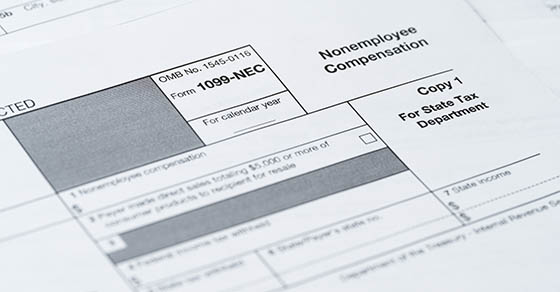
The One, Big Beautiful Bill Act (OBBBA) contains a major overhaul to an outdated IRS requirement. Beginning with payments made in 2026, the new law raises the threshold for information reporting on certain business payments from $600 to $2,000. Beginning in 2027, the threshold amount will be adjusted for inflation. The current requirement: $600 threshold For decades, the IRS has required that businesses file Form 1099-NEC (previously 1099-MISC) for payments made to independent contractors that exceed $600 in a calendar year. This threshold amount has remained unchanged since the 1950s! The same $600 threshold

The New Law Includes a Game-Changer for Business Payment Reporting Read More »